Embodiment Science Explains Good Teaching
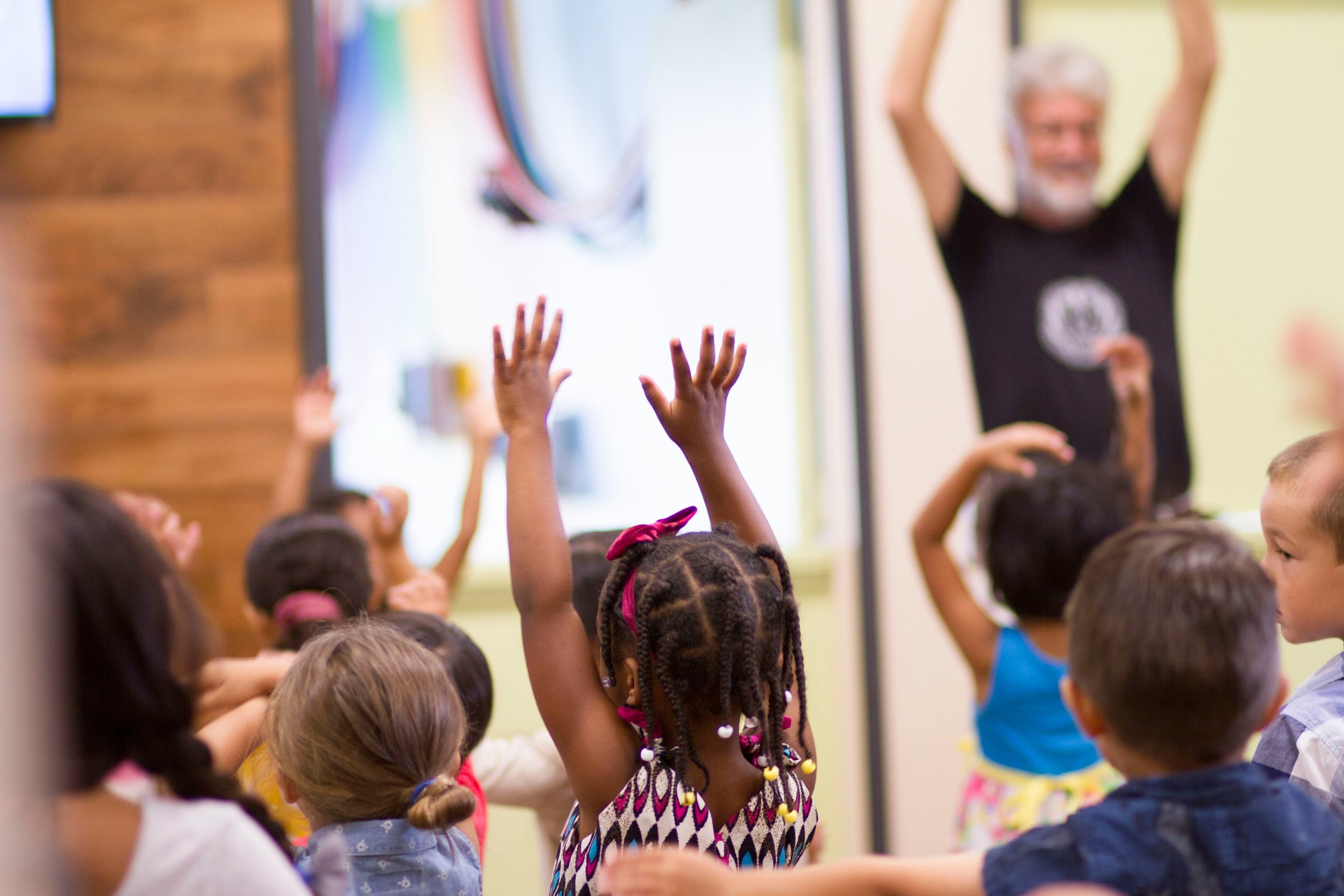
Developing a more embodied approach to teaching doesn't ask us to throw away decades of thoughtful educational practice and experience. Instead, it helps us better understand why so many of those practices work in the first place.
If we think of embodiment as simply adding more movement breaks and mindfulness practices, buying bean bags, or getting students outside more often, we're missing the bigger picture. Those things are certainly valuable, but embodiment science points to something more fundamental: a broader understanding of what learning is and how it works best.
Seen through that lens, many familiar classroom practices take on new meaning.
Learning involves movement
Many teachers already naturally use movement to support learning. Embodiment science helps explain why this is worthwhile.
Movement isn't only something students need because they've been sitting too long. It's a fundamental aspect of being human. Moving in the world changes how we feel, what we notice, how we interact, and what possibilities we perceive. Writers and philosophers throughout the ages have long known that walking gets their thinking flowing.
I recently heard a teacher describe asking a Year 5 student who often struggles with focus to do ten press-ups before beginning the next task. The student loved it and reported feeling calmer, more relaxed, and ready to learn afterwards.
Sometimes movement in the classroom is obvious: walking and talking, drawing, making, changing position, or moving to another part of the room on purpose. Sometimes it's more subtle: noticing the slight frown when something is difficult, the extra gestures that help express a new idea, or the smile and relaxed shoulders that come with talking to a friend.
The point isn't adding movement for movement's sake. It's recognising that learning has always been an active, whole-body process, and that as educators, we have many more opportunities to reconnect movement with learning than we often realise.
Thinking develops through discussion
Teachers know that discussion deepens understanding. Embodiment science suggests something even stronger: discussion is an aspect of thinking itself.
Students often understand something more deeply after they've explained an idea, challenged someone else's thinking, or built on another’s contribution. Traditionally, we might say discussion helps students "process information."
Embodiment science suggests that thinking is not something that happens alone inside individual brains before being expressed in words. Novelist Heinrich von Kleist made a similar observation over 200 years ago in his essay On the Gradual Completion of Thoughts While Speaking. As ideas are spoken aloud, questioned, refined, and reshaped, new understanding and new ideas emerge that weren’t fully present beforehand.
A classroom discussion about climate change isn't simply revealing what students already think. It’s their thinking process unfolding in real time.
Meaningful action matters
Many teachers have long recognised that authentic project-based learning increases motivation and engagement. Embodiment science again helps us understand why.
Humans learn by doing, exploring, adapting, and responding to the environments they live in. Students care more when the work is personally meaningful and when they can make a genuine contribution.
A group of students partnering with a local organisation to solve a community problem and producing a podcast about their findings is engaged in something fundamentally different from preparing for a written exam. They are designing, making, testing, collaborating, adapting, and responding to feedback.
From an embodied perspective, these activities aren't time away from "real learning." They are the processes through which learning naturally develops.
Relationships shape learning
Ask almost any experienced teacher what matters most, and somewhere near the top of the list will be relationships.
Students learn better when they feel known, when they experience belonging, when they feel safe enough to ask questions, and when making mistakes is a normal part of learning rather than something to fear.
In our highly individualistic culture we might overlook the fact that learning is fundamentally relational. Embodiment science makes clear that we don't think, feel, or pay attention in isolation from the people and environments around us. Our emotions, expectations, motivation, and willingness to engage are continually shaped by the relational worlds we inhabit.
The teacher who takes the time to genuinely ask a student how they are, who notices when something seems off or different than usual, who creates a classroom where curiosity and collaboration are valued more than fast right answers is doing far more than building rapport. They’re helping create the dispositions, confidence, and relationships that will support learning throughout life.
Seeing teaching through a new lens
For decades, many teachers have noticed that curiosity and creativity matter, belonging matters, action and experimentation matter, relationships matter, and meaningful challenges help young people grow. Embodiment science doesn't replace these insights. It helps us understand them better.
Instead of thinking of brains as computers or memory as a storehouse, embodiment science offers a different lens for understanding learning. It shows us how movement, emotion, perception, action, relationships, and environment are constantly working together as interconnecting systems, whether we realise it or not.
For some teachers, this perspective might feel completely new and slightly overwhelming. For others, it might help put language to things they’ve known and observed throughout their careers.
Many educators already create classrooms where learning is active, relational, meaningful, and responsive to context. Embodiment science doesn't ask anyone to start over. It gives us all a richer understanding of why these practices matter, greater confidence in using them intentionally, and fresh ideas for extending them further.
It's really not about adding more things to an already impossible to-do list. It's about seeing learning differently. And when our understanding of learning evolves, our teaching naturally evolves with it.
To continue the conversation, join us online on 22 September 2026 for our international Bodies of Learning book launch. We're looking forward to exploring these ideas with educators from around the world.
Register for free here.