What Happens When Children Become Co-Researchers?
Our partnership with Notting Hill Prep to bring the embodiment science explored in our new book, Bodies of Learning, into classroom practice.
Why Notting Hill Prep?
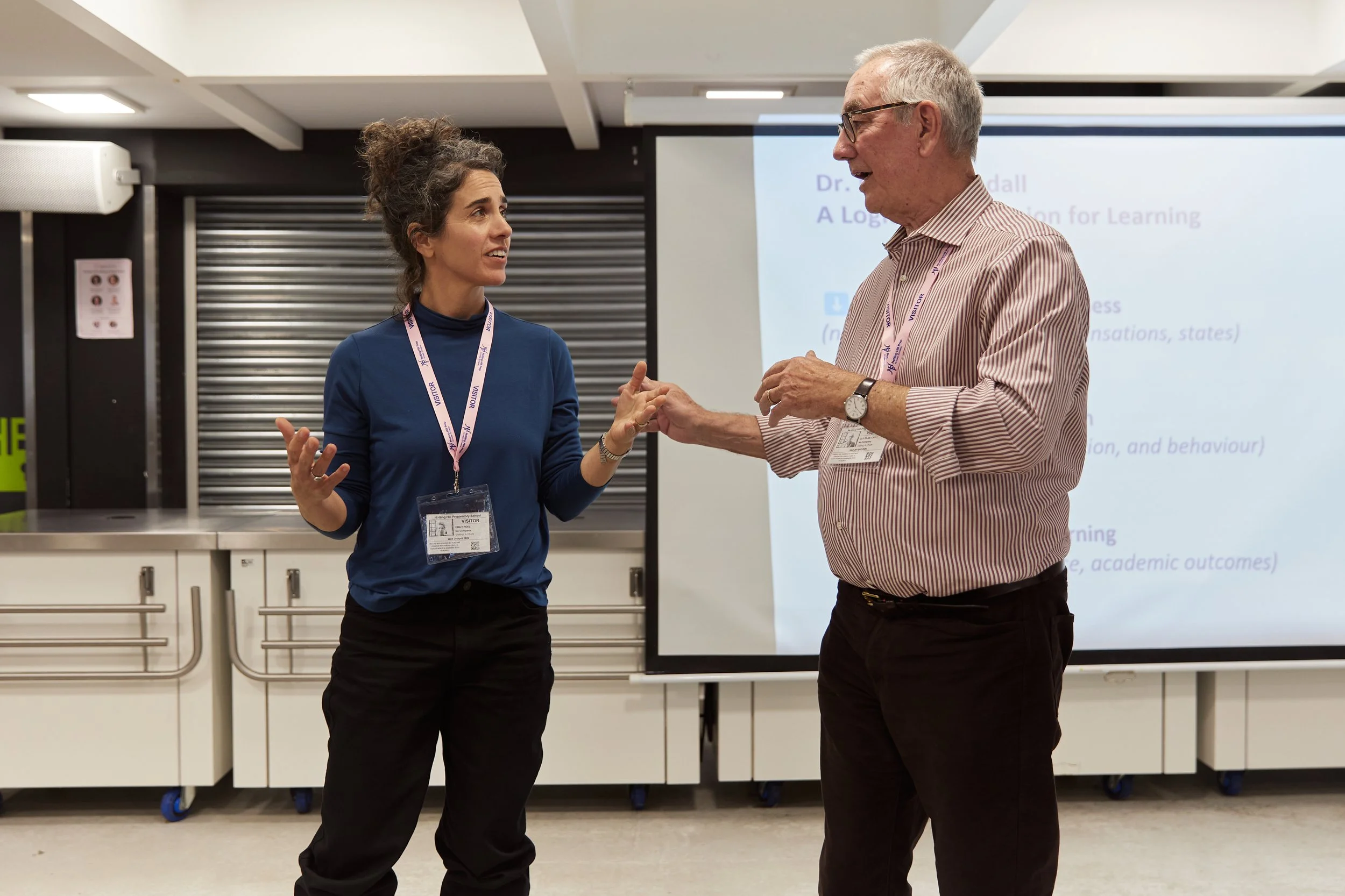
Notting Hill Prep – NHP to its friends – is a 4-13 independent primary school in West London – just a stone’s throw from where Hugh Grant fell awkwardly in love with Julia Roberts. It is an Advanced Accredited Thinking School, which means it has a strong emphasis on helping children learn how to learn – how to become powerful, independent researchers and problem-solvers – not just what to know. NHP proves that turbocharging children’s learning is a win-win-win; they do better on the tests, they do better in life, and they are a delight to teach.
So NHP was an obvious choice when Emily and I were looking for schools in which to try out some of the teaching ideas suggested by embodiment science. We were interested in a stage of research we call ‘presearch’: enlisting children and teachers as our co-researchers to explore ideas, generate their own questions and ideas about ‘what might work’, giving them a go, and reporting back. Specifically, we wanted to investigate with them the ways in which involving the body more in learning might lead to better outcomes.
From Movement to Interoception
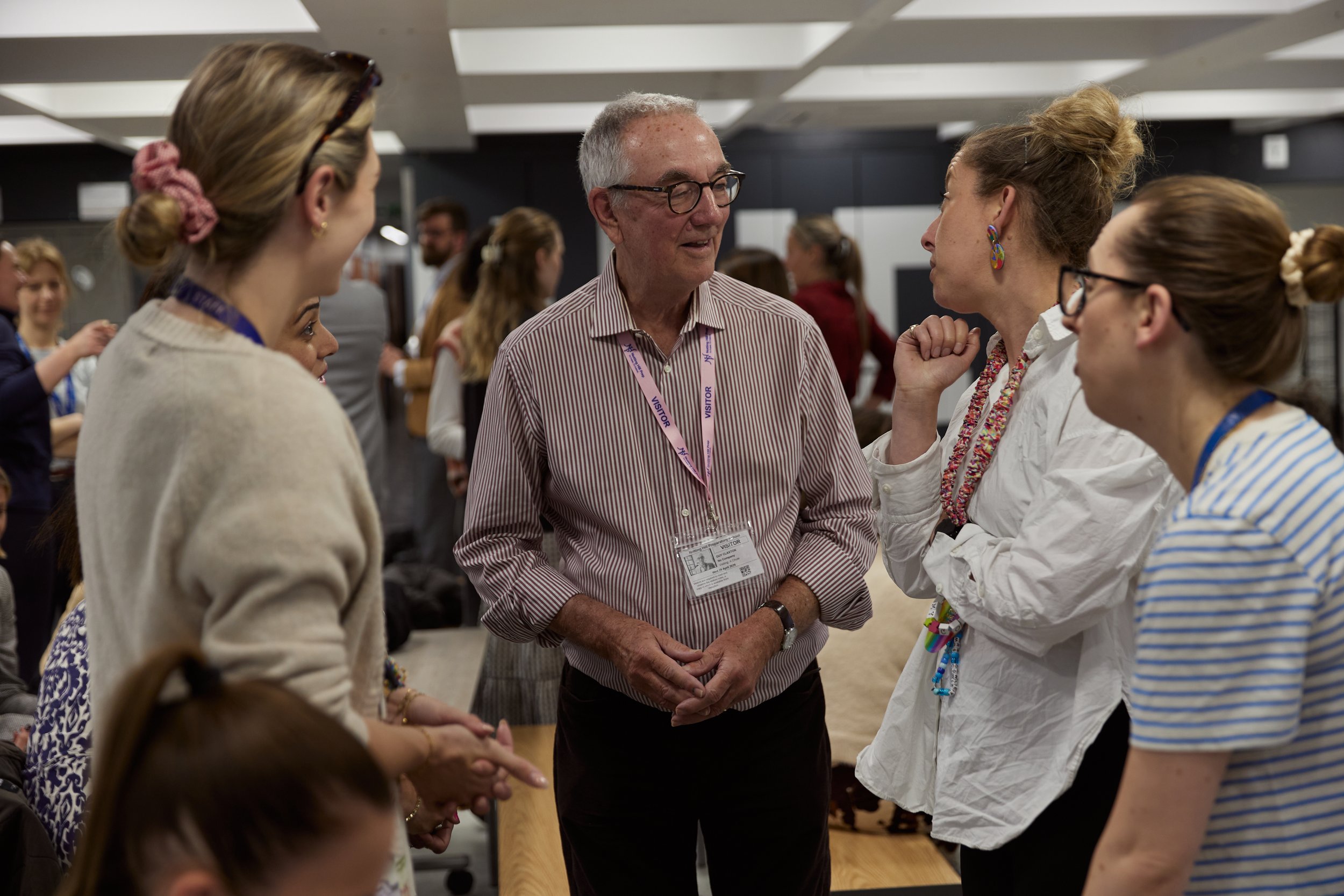
Our first focus, back in 2024, was on movement. Are there ways in which moving might help learning? By good fortune, Arabella Chute, Head of Thinking School at NHP, had got wind of a new book by the renowned science writer Caroline Williams called simply Move! which had distilled all the relevant science. We all worked together to plan an induction for both staff and pupils, seeding questions like ‘Would it help your homework if you did star jumps before you got down to studying?’ Or ‘Might you get better ideas if you went for a walk with a friend?’ We were delighted with the results. Children’s insights were brilliant, and teachers noticed the benefit. The ongoing project Move4Schools emerged as a result.
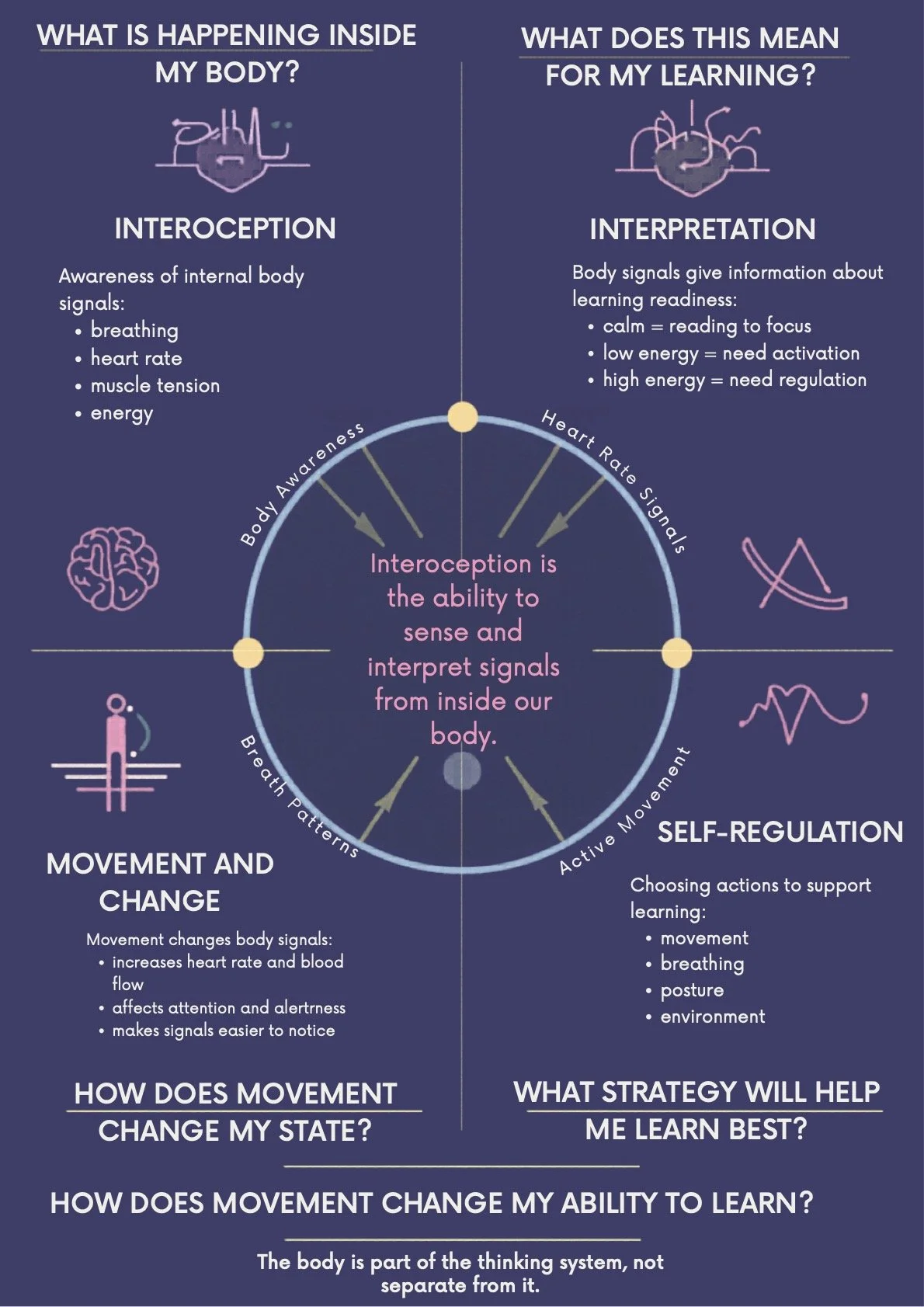
This year we were back with our next question – which Caroline had again anticipated with her latest book called Inner Sense, all about ‘the new science of interoception’. Though as yet untested with children, the research suggests that learning to pay closer attention to what is going on inside your body (without overinterpreting it) could have all sorts of benefits. For example, when you are finding learning hard, does it help to tune in to what your body is saying so you can find ways to ‘keep calm and carry on’ – before you get in a tizzy, get upset or give up? Could seven-year-olds learn how to psych themselves up when feeling lethargic or calm themselves down when overexcited so they could get themselves in the zone for learning – in the same way that athletes are taught to do?
Students as Co-Researchers
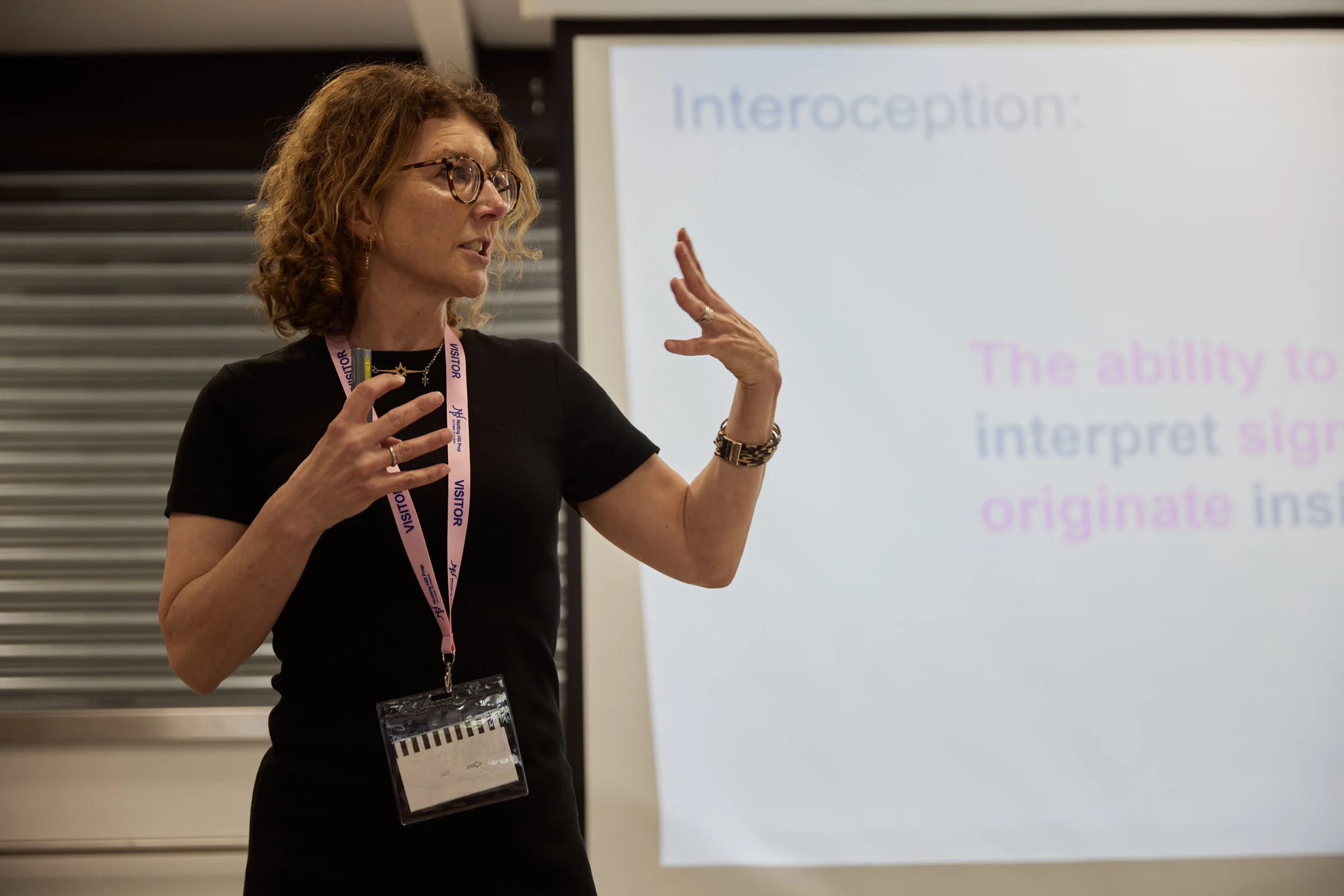
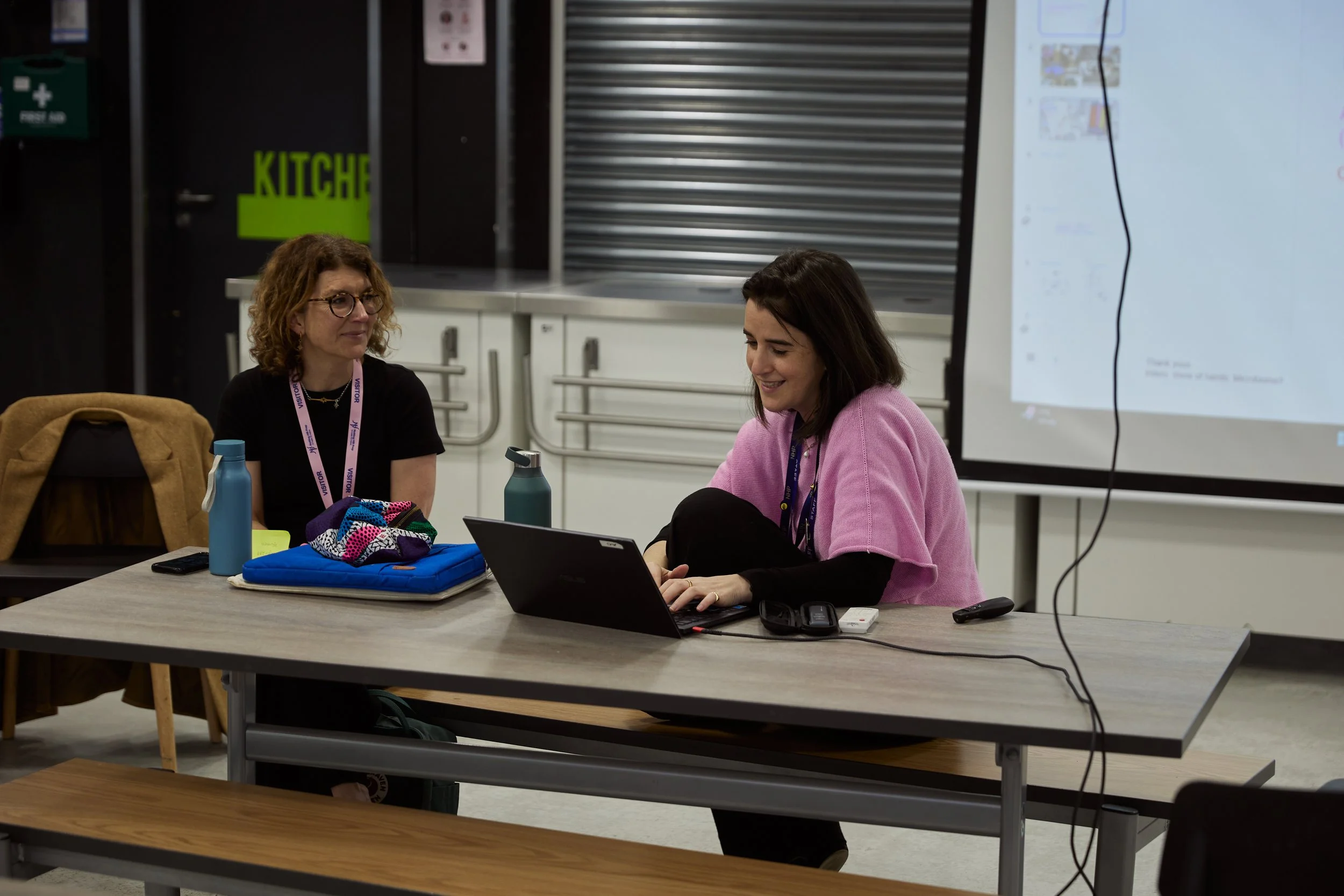
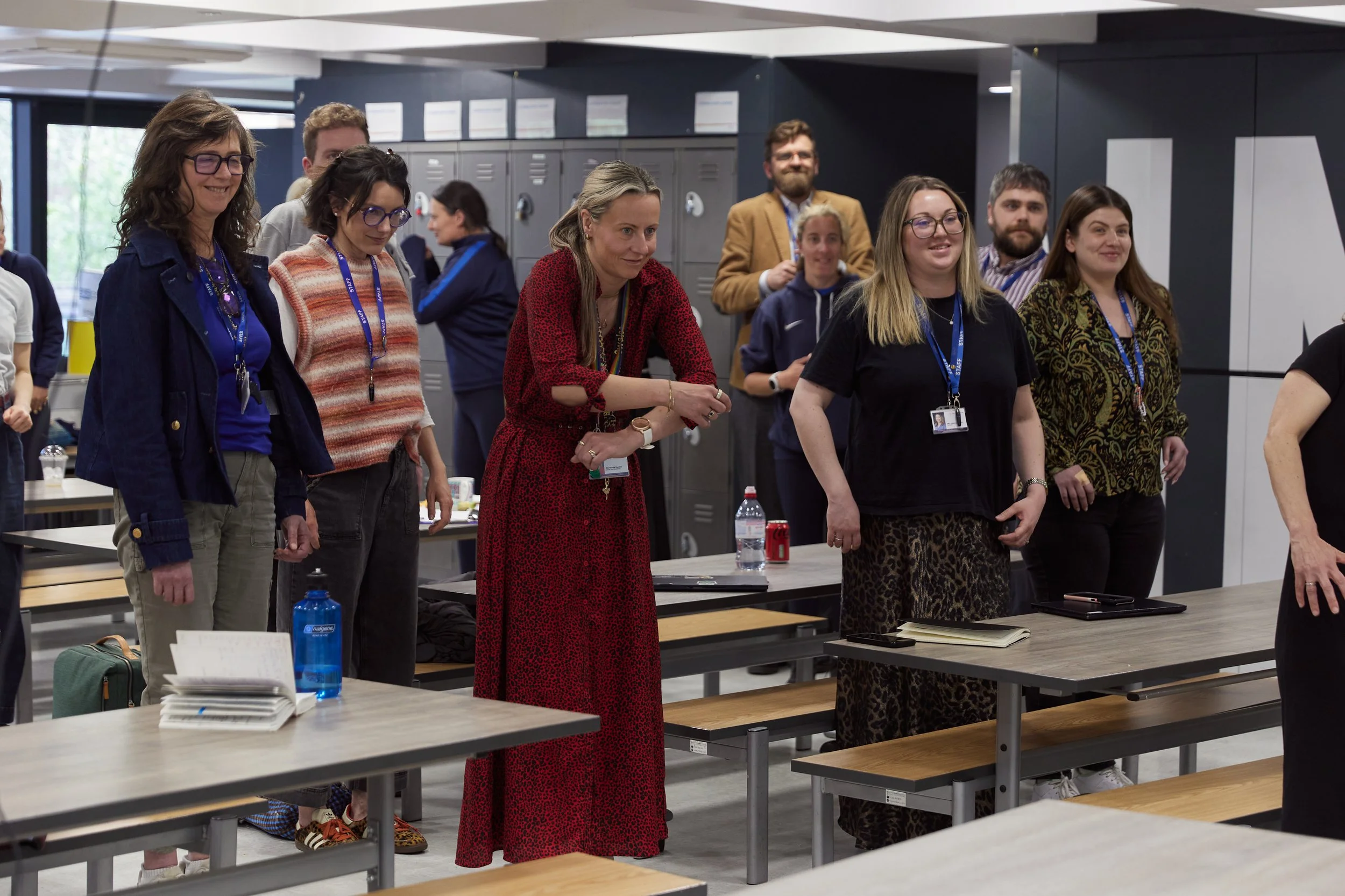
Last Wednesday, Caroline, Emily and I opened up these possibilities with NHP staff. They were rapt by Caroline’s outline of the science and eager to suggest ways in which they might engage the children – again in their role as co-researchers. Arabella has produced an impressive eight-week programme of ideas for the teachers and – following a suggestion from one of her colleagues – a poster about interoception to go in the children’s toilets! We await the new results with bated breath! We will not be at all surprised if both teachers and children’s insights knock our socks off again. Watch this space!
You can pre-order our new book, Bodies of Learning, here.