Learning is Doing
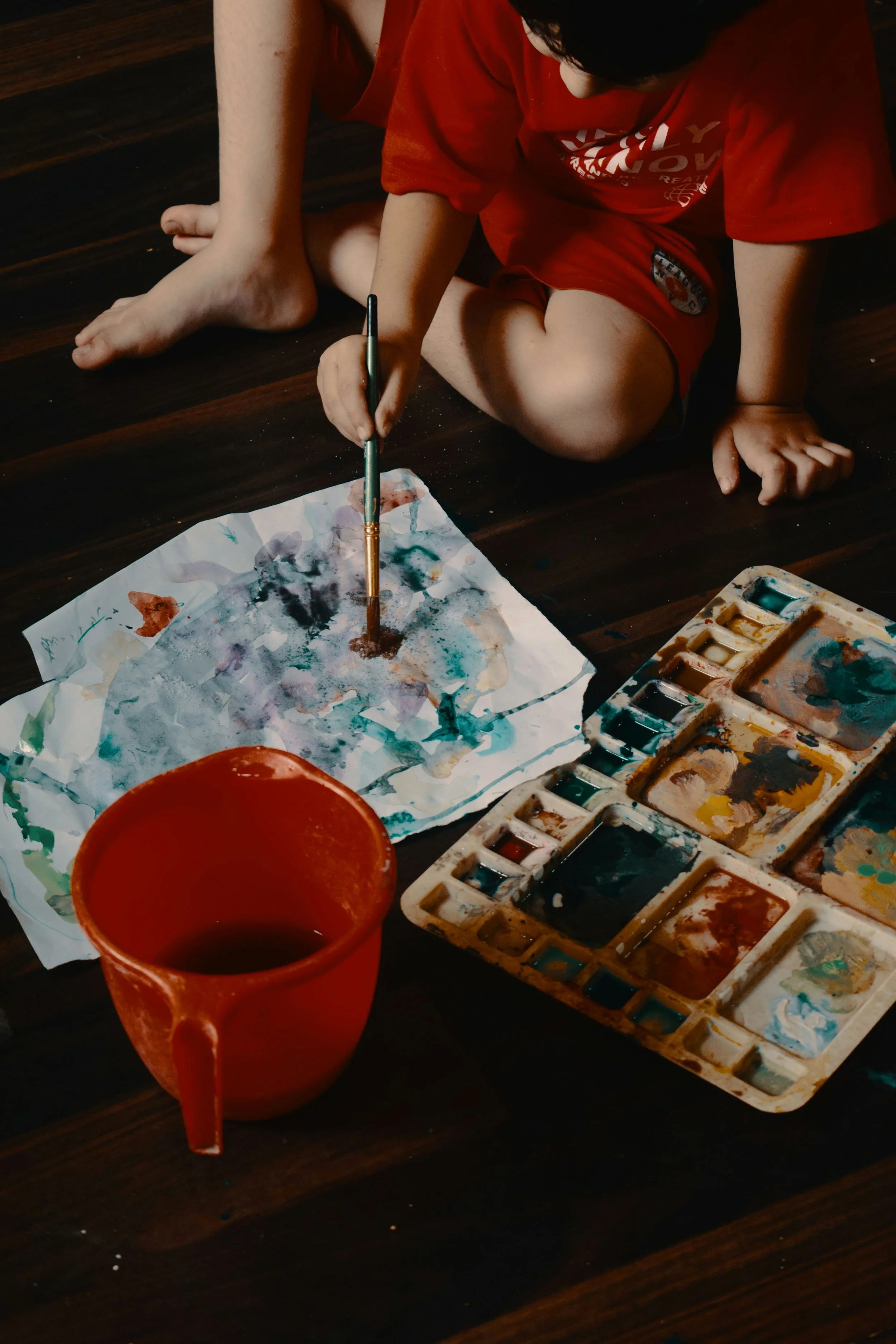
Learning is a full-body activity – or rather a whole suite of activities. Learning is exploring, experimenting and tinkering. Learning is prodding the world to see how it reacts. Learning is practising till you ‘get it’ – or maybe ‘automate it’. Learning is your brain distilling useful patterns and predictions from experience. Learning is watching, eavesdropping and trying to mimic. Learning is picking up from others what to fear, what to love and what to treat as ‘dirty’. Learning is studying videos of your heroes, or of last Saturday’s match. Learning is listening and empathising. Learning is researching. Learning is discussing, arguing and asking questions. Learning is thinking up things to try. Learning is feeling ignorant, inept, frustrated and confused. Learning is playing with ideas. Learning is sitting quietly, waiting for something to come to you. Learning is trying on different identities and seeing how they go down. Learning is mulling over where and why you messed up and updating your assumptions. Learning is dwelling in uncertainty. Learning is memorising and analysing – but so much more. Learning involves not just the mind but the bodymind: movement, manipulation, sensing and resonating with things and people, feelings and emotions, memories and conjectures.
To be good at life is to be good at learning. If you do not keep learning you will not keep up and get left trying to work the world with out-of-date tools. Learning is not just activities but skilled activities: activities that themselves need sharpening and updating. Learning to learn is at the core of real-world intelligence. Learning is your toolkit for dealing with a world that is constantly surprising, challenging and disappointing. In the toolbox – as the previous paragraph shows – there are many compartments; many different attributes and attitudes that need honing and improving.
School should be the place where you learn the tools of the learning trade, and how to be your own tool-maker and tool-mender; where you learn to meet challenges of many different kinds with confidence, competence, courage, creativity and conviviality. School should give every young person a solid trunk of what we might call epistemic character so they cope well with the variegated demands of life, and also have the sap to grow their own distinctive canopy of quirks, passions and talents.
School should be that place but mostly it isn’t. It isn’t because it focuses way too exclusively on one specialised kind of learning and neglects the others, and because it tests only your ability to write about things and not to actually get things done – things that have real importance and value for you. School is an antiquated bubble that distracts most young people from learning the subtle, multifaceted crafts of living. Instead, school selects for high office many people who lack the most basic skills and attitudes that good leaders need: the broad toolkit for tackling tricky real-life problems. No wonder we are in a mess.
The good news is that we know how to begin changing this. Inquiry-based learning gives young people questions worth pursuing, problems worth wrestling with and things worth making, testing and improving. Unsupervised peer play breeds the ability and confidence to sort things out for yourself. Meaningful projects that escalate in complexity and autonomy systematically stretch and strengthen vital learning skills and attitudes. New approaches to assessment can help us notice, value and commend complex capabilities such as curiosity, collaboration, craftsmanship, creativity and critique.
If learning is doing, school must offer young people richer, more extended things to do, and assessment must become better at seeing and articulating what they are learning as they do them. Then school might genuinely prepare all young people not merely to pass tests, but to meet the world intelligently and help reshape it.
To explore these ideas further, join us for the free international online launch of Bodies of Learning on 22 September 2026. We’ll be continuing the conversation about what learning can become, and how schools can better nurture the full range of young people’s capabilities.
You can register here: https://learningpioneers.co/experience/embodied-book-launch